Bird
Conservation

Sri Lanka is a tropical paradise blessed with an extraordinary variety of endemic bird species that are found nowhere else in the world. These birds play a vital role in maintaining ecological balance and are an essential part of our natural heritage. However, due to increasing human activities such as deforestation, pollution, and climate change, many of these species are now under serious threat. Conservation is not just a responsibility, but a necessity—to protect these unique creatures and ensure that future generations will also get the chance to witness their beauty and hear their songs in the wild.
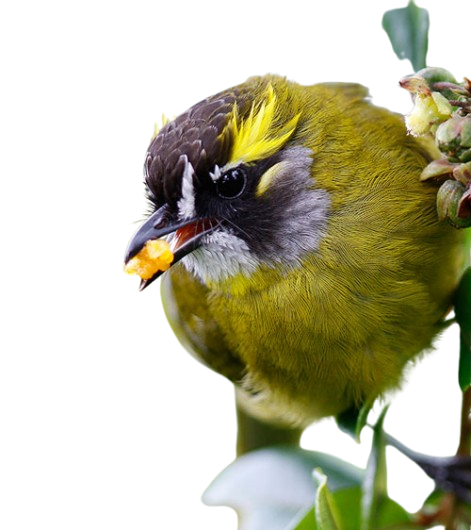


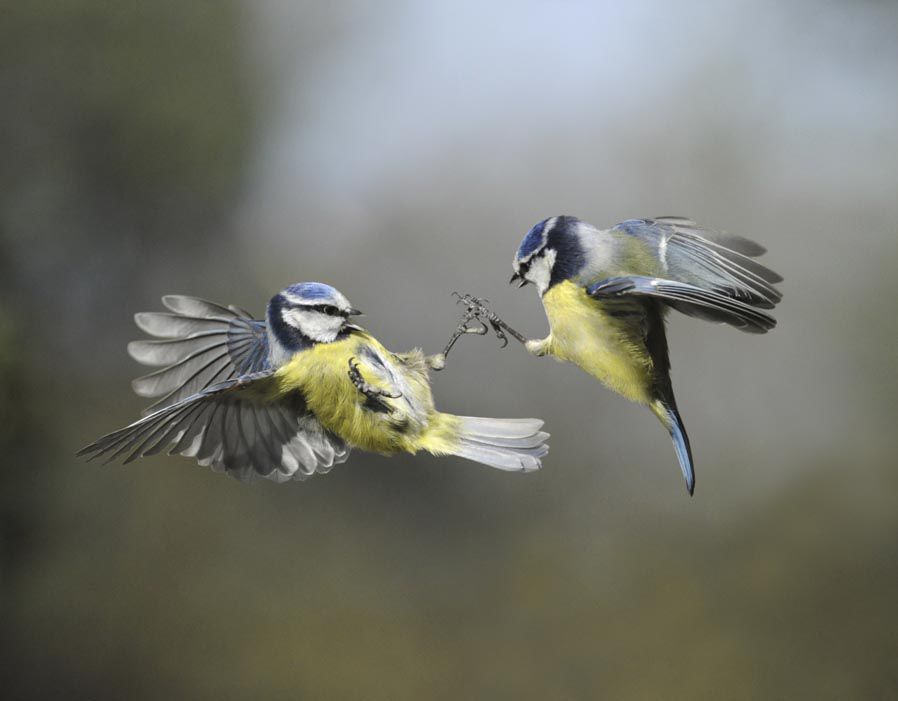
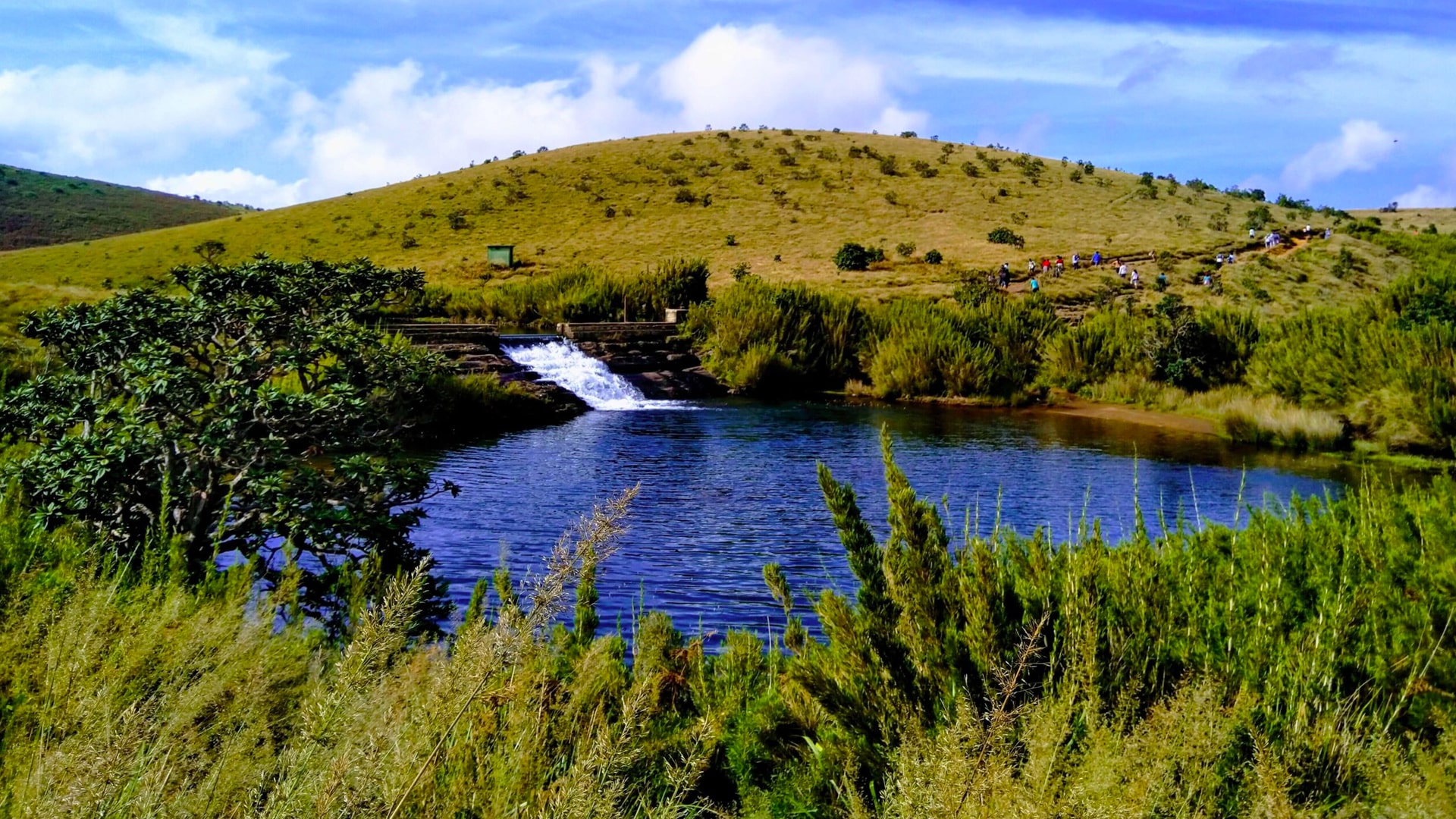
Protects cloud forest ecosystem. Home to Sri Lanka Bush Warbler, Yellow-eared Bulbul. Supported by Department of Wildlife Conservation.
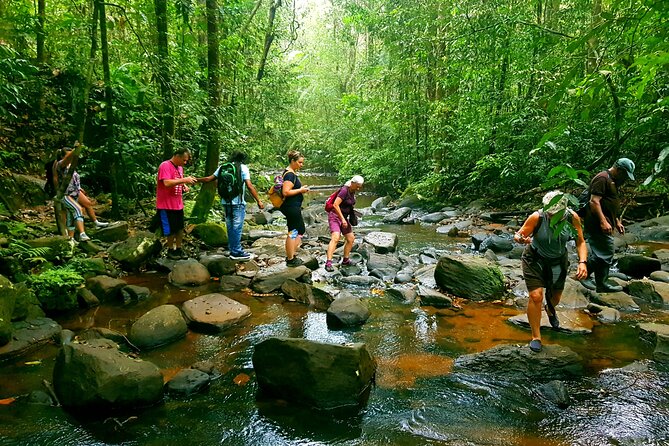
UNESCO World Heritage Site. Home to endemic species like Sri Lanka Blue Magpie. Promotes biodiversity and eco-tourism.

University of Colombo Main focus: Endemic birds study, research, school awareness programs. Popular programs: Bird ringing, monthly birdwatching events.
UNESCO World Heritage Site. Home to endemic species like Sri Lanka Blue Magpie. Promotes biodiversity and eco-tourism.
1. Donate to Bird Conservation Programs
👉 Support local and international organizations like FOGSL, BirdLife International, and wildlife NGOs that work to protect Sri Lanka’s endemic birds.
2. Volunteer for Field Projects
👉 Join nature surveys, bird ringing events, and awareness campaigns. Many local groups accept student and citizen volunteers.
3. Report Illegal Activities
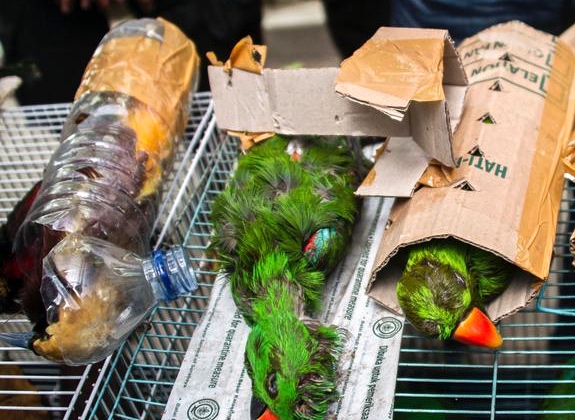
👉 If you see illegal bird trade, poaching, or habitat destruction—report it to the Department of Wildlife Conservation or your nearest police station.
4. Practice Responsible Birdwatching
👉 Never disturb nesting birds. Use binoculars, follow trails, and respect nature while observing.
5. Plant Native Trees
👉 Help restore bird habitats by planting trees like Kumbuk, Mee, and Na which provide food and shelter to endemic birds.
6. Avoid Using Harmful Pesticides
👉 Toxic chemicals harm birds and their insect food sources. Use eco-friendly alternatives.
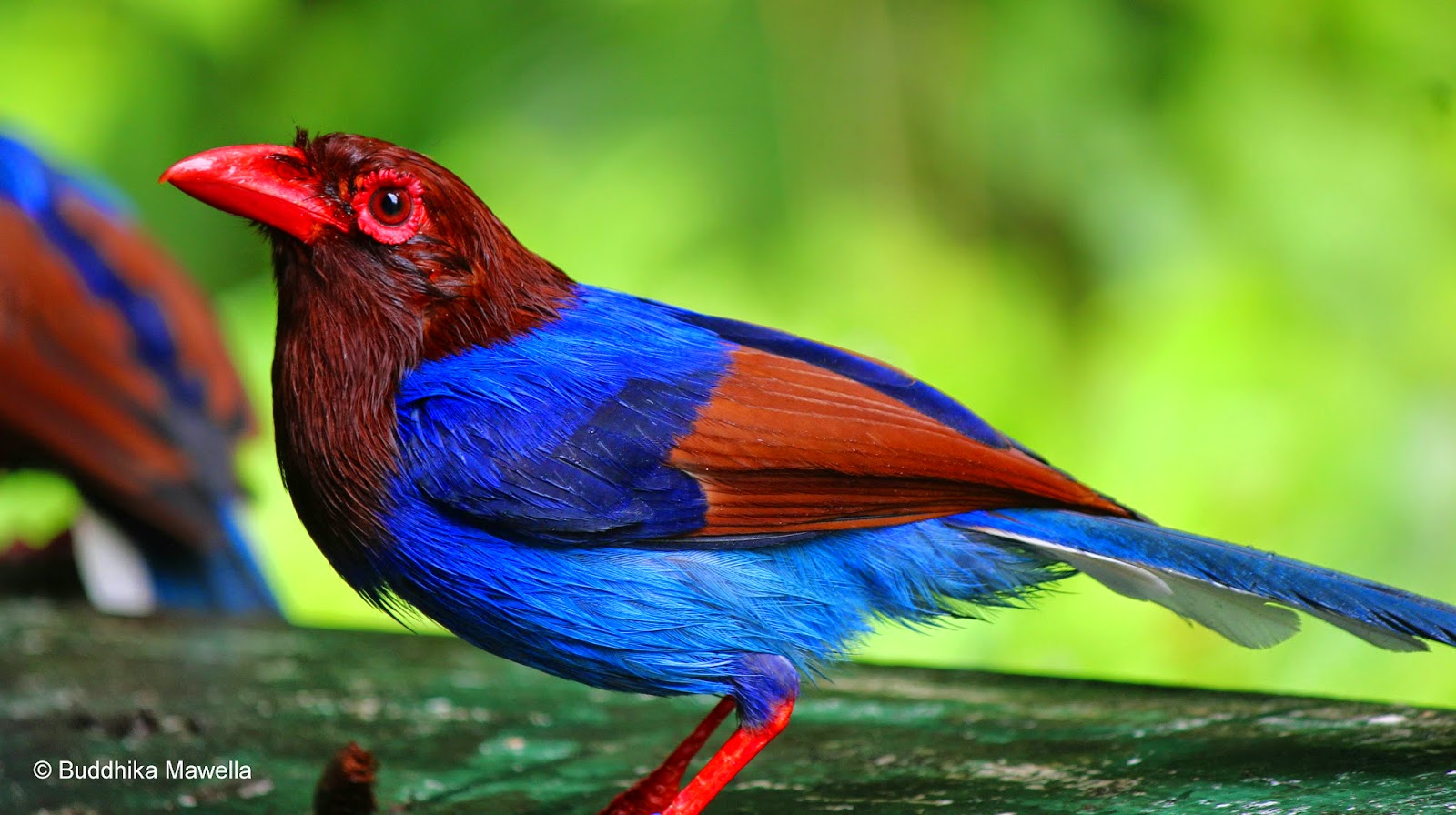
Sri Lanka Blue Magpie was once threatened due to habitat loss in Sinharaja. Thanks to conservation by FOGSL and the Forest Department, its population is now recovering
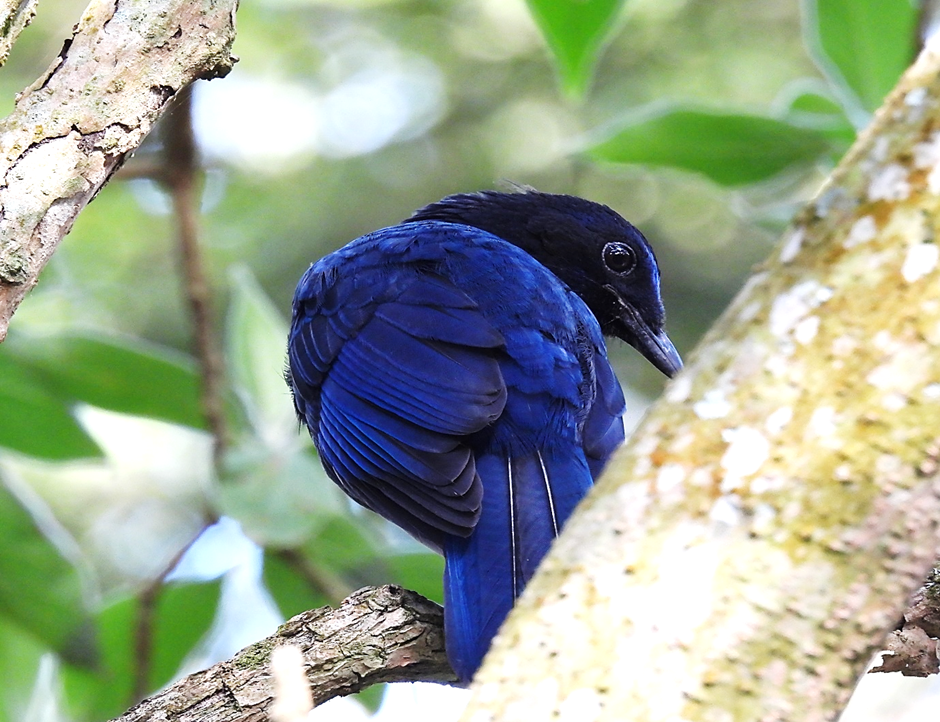
The Sri Lanka Whistling Thrush (Arrenga) is found only in highland forests like Horton Plains. Once listed as endangered, its numbers are improving thanks to monitoring and restricted access to nesting areas.
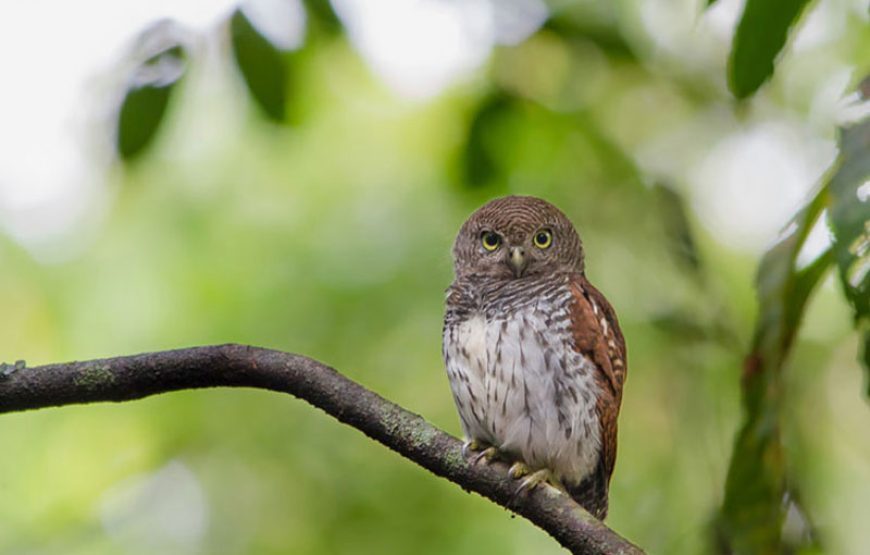
Birdwatching tourism has grown in Kitulgala, bringing income to local communities while protecting species like the Chestnut-backed Owlet and Green-billed Coucal.
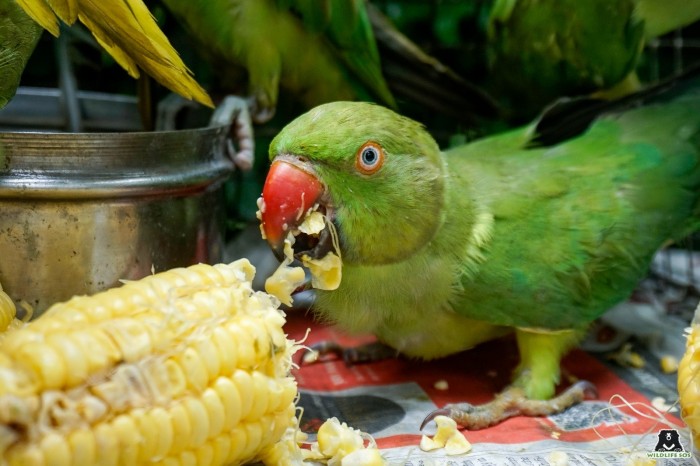
Thanks to citizen reporting and stricter enforcement, several rare endemic birds were rescued from the illegal pet trade in recent years.